

AI, Gaming Growth, and the Future of Player Engagement
The gaming industry is entering a new era — one shaped by AI-powered workflows, evolving player expectations, and the increasing importance of long-term community engagement.
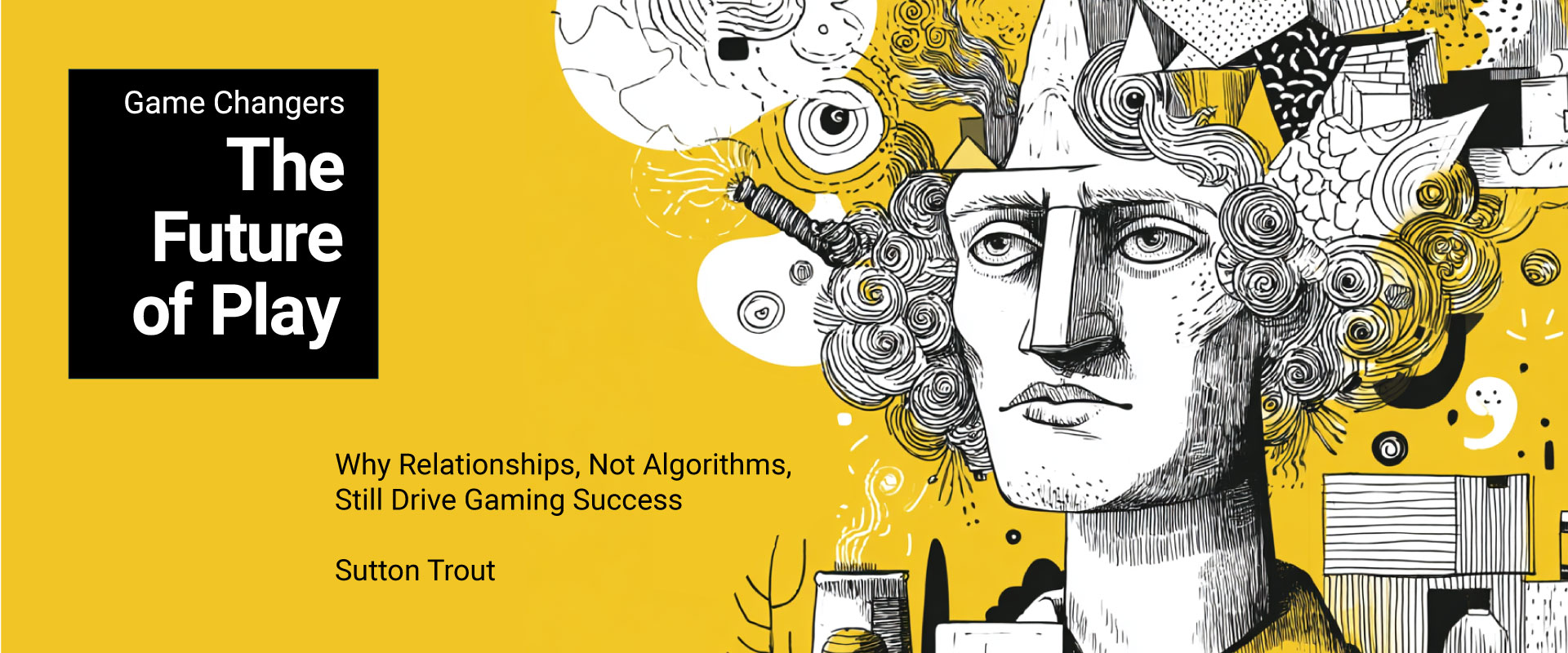
In the latest episode of Game Changers: The Future of Play, gaming industry veteran Sutton Trout shared insights from his experience working across partnerships, monetization, growth strategy, and live game ecosystems with organizations connected to Supercell, Sony, and Warner Bros..
The discussion explored how gaming companies can scale intelligently while keeping creativity and player trust at the center of innovation.
AI Is Becoming a Competitive Advantage for Gaming Teams
AI is rapidly changing how gaming companies operate.
According to Sutton, one of the most immediate benefits of AI is operational efficiency. Tools that automate meeting notes, summarize conversations, organize workflows, and accelerate content production are already saving teams valuable time.
This matters because gaming development cycles continue growing more complex while audiences expect faster updates, personalized experiences, and continuous live content.
AI tools can help studios:
- Accelerate production pipelines
- Improve collaboration
- Streamline internal communication
- Reduce repetitive tasks
- Increase speed-to-market
- Support smaller development teams
Related resources:
Importantly, Sutton emphasized that AI works best as a support system for human creativity — not a replacement for it.
The New Economics of Gaming
Player acquisition is becoming more expensive and more difficult.
With audiences splitting attention across streaming platforms, social media, creator content, mobile experiences, and live-service games, studios must compete for time — not just downloads.
That’s why player retention and community engagement are now critical business priorities.
Games like Clash of Clans and Brawl Stars succeed because they create consistent habits and emotional investment over time.
The modern gaming economy increasingly rewards:
- Live-service engagement
- Strong community ecosystems
- Social experiences
- Creator-driven marketing
- Personalized content
- Long-term player trust
Gaming companies that focus exclusively on short-term monetization often struggle to sustain long-term growth.
Why Human Creativity Still Wins
One of the podcast’s strongest takeaways was Sutton’s perspective on creativity.
While AI can accelerate workflows and assist production, genuinely original storytelling and emotional experiences still come from people.
He compared today’s AI discussions to the early internet era — a time filled with both excitement and exaggerated fears.
The key lesson: AI should empower creators, not replace them.
That philosophy is becoming increasingly important as gaming studios balance:
- Automation
- Creative innovation
- Ethical AI implementation
- Community trust
- Human-centered design
The companies that find the right balance will likely define the next generation of entertainment.
Strategic Partnerships Drive Sustainable Growth
Sutton also highlighted the growing importance of partnerships throughout gaming and entertainment.
Today’s most successful gaming ecosystems combine:
- Developers
- Creators
- Platforms
- Brands
- AI technologies
- Community leaders
- Media organizations
Growth is no longer isolated within one department.
Successful studios are building collaborative ecosystems where technology, creativity, marketing, and partnerships work together toward shared goals.
Looking Ahead
As AI adoption accelerates across gaming and entertainment, the industry faces an important challenge: maintaining authenticity while increasing efficiency.
The future of gaming will likely be shaped by organizations that:
- Use AI responsibly
- Empower creators
- Prioritize player trust
- Invest in community
- Build strong partnerships
- Focus on long-term engagement over short-term metrics
Technology will continue evolving rapidly, but the companies that create meaningful player experiences will remain the ones that stand out.